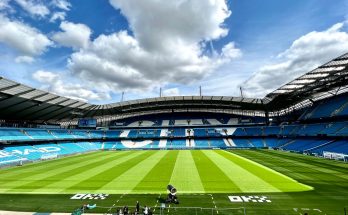

Michael Carrick pressure point has sparked discussions about the pressures faced by football managers. Carrick recently expressed his thoughts on the importance of thriving under pressure in his role at Manchester United.
Understanding Pressure in Football Management
In the world of football management, pressure is an inherent part of the job. For coaches like Michael Carrick, understanding the dynamics of this pressure point can be crucial for success. Managing a high-profile team often brings expectations that can be overwhelming, yet it also presents an opportunity to excel.
Many managers, including Carrick, have expressed a love for the intensity that comes with such pressures. This sentiment is echoed by other successful coaches, like Mikel Arteta, who recognize that thriving under pressure can lead to remarkable achievements. The ability to remain calm and focused while navigating challenges is essential.
To effectively handle pressure, it is vital for managers to:
- Develop strong communication skills with players and staff.
- Foster a supportive team environment that alleviates stress.
- Implement strategies that keep the squad motivated despite external pressures.
Ultimately, understanding the pressure point in football management, as demonstrated by Carrick, can lead to not only personal growth but also the development of a resilient team capable of overcoming obstacles.
Michael Carrick’s Coaching Philosophy
Michael Carrick’s coaching philosophy is built on resilience and adaptability, particularly when navigating the challenges of football management. He believes that pressure is an integral part of the game, and embracing it can lead to success. This perspective aligns with his recent comments where he expressed his enjoyment of being under pressure, drawing parallels with other successful managers like Mikel Arteta.
One core aspect of Carrick’s approach is his focus on creating a positive environment where players can thrive, even in high-stress situations. He emphasizes the importance of open communication and trust within the team, which he sees as essential for overcoming pressure points during critical matches.
Additionally, Carrick advocates for a tactical flexibility that allows his team to respond effectively to varying circumstances on the pitch. By instilling a strong work ethic and encouraging players to remain composed, he aims to turn pressure into a motivating force rather than a hindrance.
Ultimately, Carrick’s philosophy reflects a belief that managing the pressure point in football is not just about tactics but also about fostering a mindset that embraces challenges as opportunities for growth and success.
Mikel Arteta’s Leadership Style
Mikel Arteta has emerged as a prominent figure in football management, known for his unique leadership style that blends tactical acumen with emotional intelligence. His approach resonates with players and fans alike, often drawing parallels with the pressure points experienced by other managers like Michael Carrick.
Arteta emphasizes the importance of creating a positive environment that fosters growth and resilience. Under his guidance, Arsenal has seen a transformation, both in performance and team morale. He believes that pressure can be a catalyst for success, a sentiment echoed by Carrick, who acknowledges the benefits of thriving under challenging circumstances.
Key aspects of Arteta’s leadership style include:
- Communication: Arteta maintains open lines of dialogue with his squad, ensuring that players feel valued and understood.
- Tactical Flexibility: He adapts strategies based on opponents and match situations, showcasing his analytical mindset.
- Player Development: Arteta prioritizes nurturing young talent, believing in the potential of his squad to rise under pressure.
As Carrick navigates his own managerial journey, understanding Arteta’s methods may provide insight into effectively managing pressure points.
The Importance of Pressure in Sports
The world of sports is characterized by its inherent pressure, which can often be a defining factor in an athlete’s or coach’s success. Understanding how to navigate this pressure is crucial for anyone involved in competitive environments. In football, the ability to thrive under pressure can distinguish successful managers from those who struggle in high-stakes situations.
Michael Carrick, like many successful coaches, has embraced the concept of pressure, viewing it as a pressure point that can drive performance and growth. The challenges presented by intense matches and critical decisions can serve as catalysts for developing resilience and strategic thinking.
Coaches who understand the dynamics of pressure often cultivate a culture of high performance within their teams. This involves not only preparing players physically but also mentally, helping them to manage their emotions and focus on their objectives. The right approach to pressure can lead to remarkable achievements, as seen in the careers of influential figures like Carrick and Mikel Arteta.
Ultimately, adapting to pressure can transform a team’s mindset, fostering an environment where players are encouraged to excel and push their limits.
How Managers Handle Stress
In the high-stakes environment of football management, understanding how to handle stress is crucial for success. Managers like Michael Carrick often find themselves at a pressure point, where every decision can impact the team’s performance and their own job security. The ability to remain composed under pressure is a skill that distinguishes the great from the average.
Managers adopt various strategies to cope with stress, including:
- Emotional control: Maintaining a calm demeanor helps in making rational decisions, especially during critical moments in matches.
- Delegation: Relying on assistant coaches and staff to share the workload can alleviate some of the pressures faced.
- Mindfulness practices: Techniques such as meditation and visualization can prepare managers mentally for the challenges ahead.
- Open communication: Engaging with players and staff fosters a supportive environment, making it easier to navigate stressful situations.
Ultimately, successful managers like Carrick learn to embrace pressure as a part of the game, viewing it as an opportunity to grow and inspire their teams.
Key Takeaways from Carrick’s Comments
Michael Carrick’s recent comments shed light on his perspective regarding pressure in football management and his approach to overcoming challenges. Here are the key takeaways from Carrick’s remarks:
- Embracing Pressure: Carrick emphasized that he loves being under pressure, viewing it as a crucial aspect of his role as a manager. He believes that handling pressure can lead to personal and team growth.
- Learning from Others: By mentioning Mikel Arteta, Carrick illustrated the importance of observing successful leaders. He admires Arteta’s ability to navigate high-pressure situations, which serves as an inspiration for his own management style.
- Building Resilience: Carrick pointed out that facing pressure can strengthen a team’s resilience. He stressed that fostering a supportive environment helps players thrive even in challenging circumstances.
- Focus on Team Goals: Carrick reiterated that staying focused on collective goals is vital. He believes that a clear vision can help mitigate the stress that comes with managerial responsibilities.
Overall, these insights reflect Carrick’s belief that understanding and managing pressure is a significant pressure point for achieving success in football management.
Comparing Carrick and Arteta
In the world of football management, the pressure point often defines success, and both Michael Carrick and Mikel Arteta have navigated this intricate landscape with distinct approaches. Carrick, while emphasizing a calm demeanor, has expressed that he thrives under pressure, stating that it fuels his passion for the game. This sentiment mirrors Arteta’s philosophy, who believes that challenges can be transformed into opportunities for growth. Both managers have faced their share of scrutiny, yet they have managed to channel that energy positively.
When comparing Carrick and Arteta, several key similarities and differences emerge:
- Adaptability: Both managers have shown a remarkable ability to adjust their strategies based on the strengths and weaknesses of their teams.
- Player Development: Carrick focuses on nurturing young talent, akin to Arteta’s commitment to bringing out the best in his squad.
- Response to Pressure: Carrick’s recent comments on enjoying the pressure highlight a shared resilience, although Arteta’s earlier experiences at Arsenal brought a different kind of scrutiny.
Ultimately, the pressure point in their managerial journeys serves as a testament to their commitment to excellence.
Future of Manchester United Under Pressure
The future of Manchester United hangs in a delicate balance as the club navigates the pressures of the Premier League. Michael Carrick, in his recent comments, highlighted the significance of managing stress effectively, particularly in high-stakes environments. He conveyed his belief that the pressure point experienced by managers can be a powerful motivator, pushing teams to excel and adapt. This perspective reflects a broader understanding of the challenges faced by leaders in football.
As Carrick steps into his role, he recognizes the weight of expectations from fans, players, and the media. He stated that he “loves” being under pressure, suggesting that it fuels his determination to succeed. This attitude is reminiscent of Mikel Arteta’s approach at Arsenal, where embracing pressure has led to significant growth and success.
For Manchester United, the road ahead will require not only tactical acumen but also the ability to thrive under scrutiny. Carrick’s innovative strategies and mental resilience may prove crucial as he strives to transform the team’s fortunes. The coming months will reveal whether he can translate his understanding of pressure into tangible results on the pitch.
Understanding the Michael Carrick pressure point is crucial for developing a winning strategy in football management. By addressing this key aspect, coaches can unlock their team’s full potential and achieve success.
Photo by Kimiya Sabbaghan on Pexels
Read the original
Related stories
Is Finland Casino Regulation the Worst in Gambling? · Victoria vs South Australia prediction: Free Expert Tips · Kotahitanga jersey: Is it the best new sports gear?