
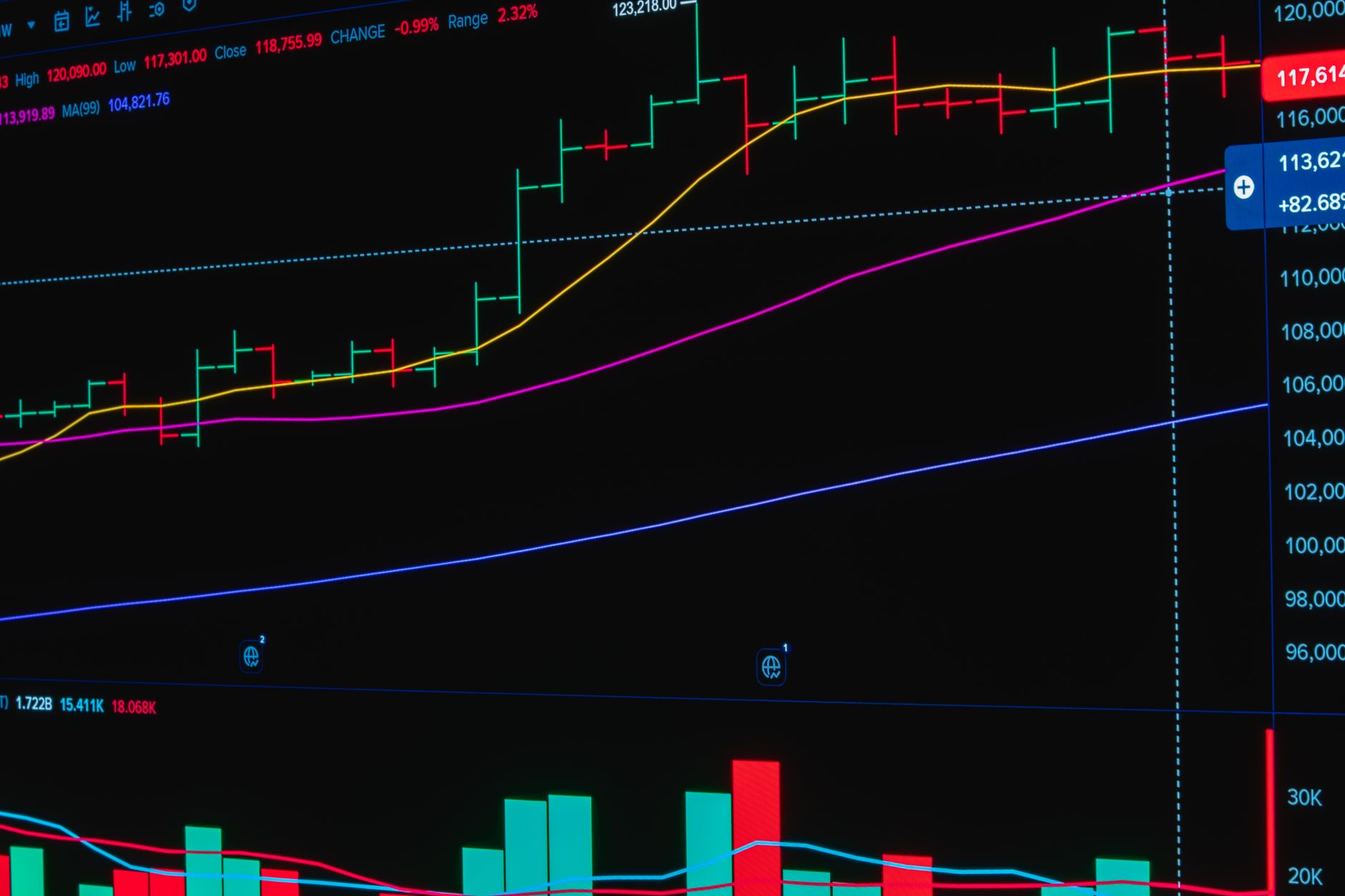
Prediction markets retail are becoming a major concern for traditional businesses. As these platforms gain popularity, they threaten to disrupt conventional retail operations and strategies.
Understanding Prediction Markets
Prediction markets are platforms where participants can buy and sell shares in the outcomes of future events, essentially betting on what they believe will happen. These markets have gained traction in various sectors, yet their impact on retail is a growing concern.
Unlike traditional stock markets, prediction markets allow for a wide range of outcomes, including those related to consumer behavior, product launches, and market trends. Such markets enable individuals to leverage collective intelligence, often leading to surprisingly accurate forecasts.
As retail continues to evolve, understanding prediction markets becomes crucial for businesses trying to stay ahead of the curve. Key characteristics include:
- Real-time data analysis: Prediction markets aggregate insights from diverse participants, providing retailers with timely information on consumer sentiment.
- Enhanced decision-making: By tapping into the predictive capabilities of these markets, retailers can make informed decisions about inventory, pricing, and marketing strategies.
- Risk assessment: Retailers can use prediction markets to gauge potential risks associated with new product launches or market entries.
However, the rise of prediction markets in retail also raises concerns about volatility and the potential for misinformation. As retailers increasingly engage with these platforms, they must carefully navigate the landscape to harness their benefits while mitigating risks.
The Impact on Retail
The rise of prediction markets poses significant challenges to the retail sector. As consumers increasingly turn to these platforms, traditional retail businesses find themselves at a crossroads. The ability of prediction markets to forecast consumer behavior and trends can undermine the conventional retail model.
Many retailers rely on historical data and market analysis to make informed decisions. However, prediction markets leverage the collective intelligence of participants to generate insights that may be more accurate. This shift can lead to several consequences for the retail landscape:
- Price Volatility: As prediction markets gain traction, the pricing strategies of retailers may become less stable. Fluctuating demand forecasts could lead to erratic pricing, impacting profit margins.
- Consumer Trust: Prediction markets can enhance consumer confidence in market outcomes. Retailers who do not adapt may struggle to retain loyal customers who prefer the transparency and engagement offered by these platforms.
- Competitive Disadvantage: Retailers that ignore the potential of prediction markets risk falling behind competitors who embrace these tools for strategic advantage.
In conclusion, the implications of prediction markets retail are profound. As these platforms continue to evolve, retailers must consider how to integrate their insights into business models, or risk being left behind in an increasingly data-driven market.
Why Retailers Should Be Concerned
As the retail landscape continues to evolve, the emergence of prediction markets is raising significant concerns among retailers. These markets, which allow participants to bet on future events, can influence consumer behavior and market dynamics in ways that traditional sales forecasting cannot. Retailers should be particularly wary for several reasons:
- Consumer Influence: Prediction markets can sway consumer expectations and spending patterns. If shoppers perceive that certain products are more likely to be successful based on market predictions, they may rush to purchase them, creating unpredictable demand spikes.
- Market Volatility: The very nature of prediction markets introduces a level of volatility that retailers are not accustomed to. Fluctuating predictions can lead to erratic sales trends, complicating inventory management and pricing strategies.
- Data Manipulation: There is a risk that insiders may manipulate prediction markets to benefit their own interests, which can mislead consumers and distort market signals.
- Competitive Disadvantage: Retailers that fail to engage with these emerging markets may find themselves at a competitive disadvantage, as savvy competitors leverage these insights to better align their offerings with consumer expectations.
Ultimately, as prediction markets gain traction in the retail sector, merchants must develop strategies to adapt and mitigate the potential risks associated with this disruptive trend.
Future Trends in Gambling
The landscape of gambling is rapidly evolving, with prediction markets emerging as a significant player in the sector. These markets allow participants to bet on the outcomes of future events, providing a unique blend of speculation and entertainment. As technology advances, the accessibility and popularity of these platforms are expected to grow, drawing in a wider audience.
One notable trend is the increasing integration of prediction markets into everyday retail experiences. Retailers may find that consumers are not just shopping for products but are also wagering on various aspects of those products’ success in the market. This shift could reshape consumer behavior, leading to an environment where predictions about product performance become as vital as traditional sales metrics.
Furthermore, the rise of mobile technology and user-friendly applications will likely drive participation in prediction markets retail. As more individuals engage with these platforms, retailers may need to adapt their strategies to account for this new form of consumer interaction. Some potential trends to watch include:
- Increased Regulation: As prediction markets gain traction, governments may impose stricter regulations to ensure fair play and consumer protection.
- Enhanced Data Analytics: Retailers will likely utilize data from prediction markets to better understand consumer sentiment and preferences.
- Innovative Marketing Strategies: Retailers may incorporate prediction markets into their promotional campaigns to engage customers in novel ways.
Ultimately, the intersection of prediction markets and retail presents both challenges and opportunities for businesses navigating this changing landscape.
As the debate continues over the impact of prediction markets retail, many analysts are concerned about the potential consequences for everyday investors. The rise of prediction markets retail could lead to increased volatility in stock prices and undermine traditional investment strategies.
Photo by Rafael Minguet Delgado on Pexels